
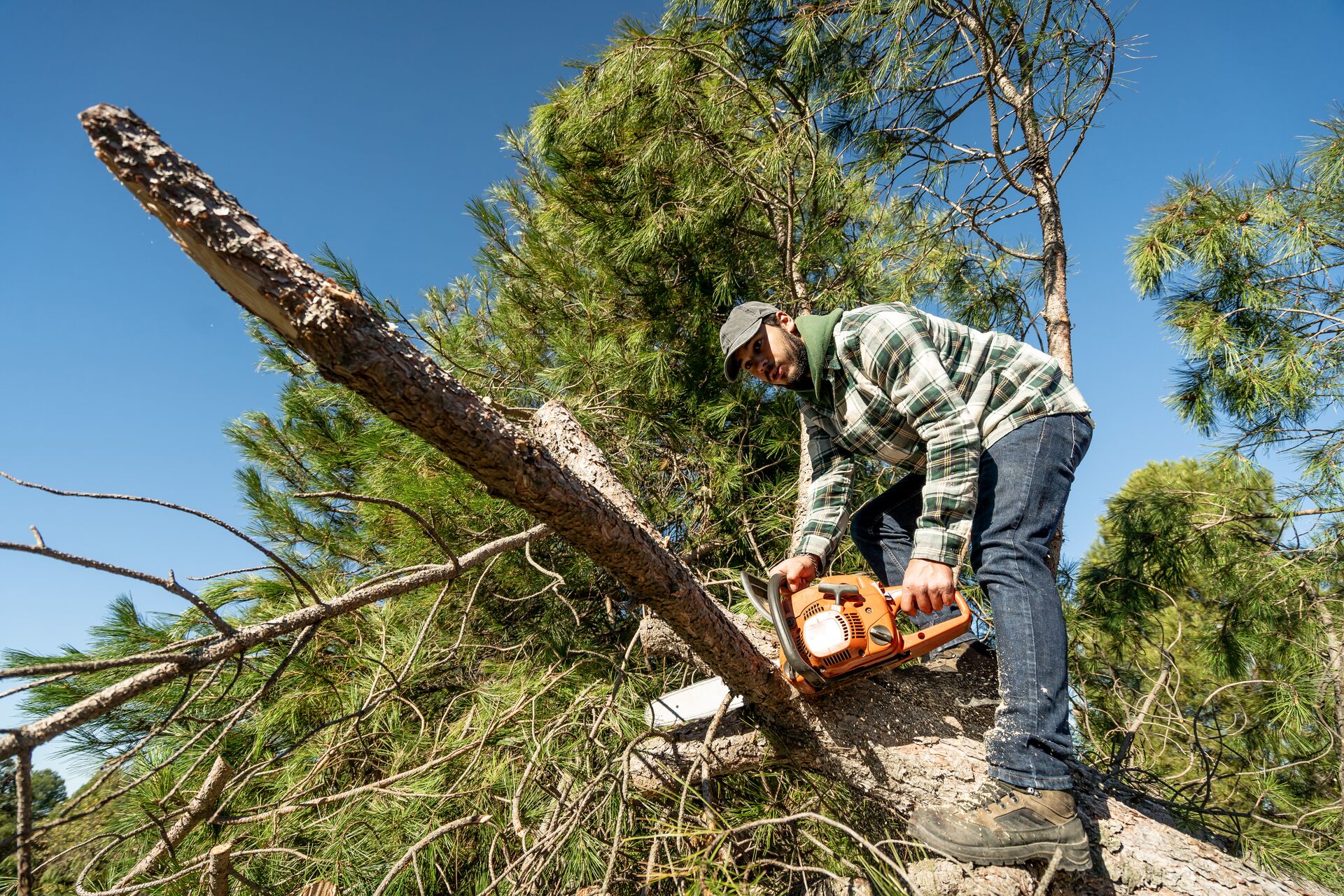
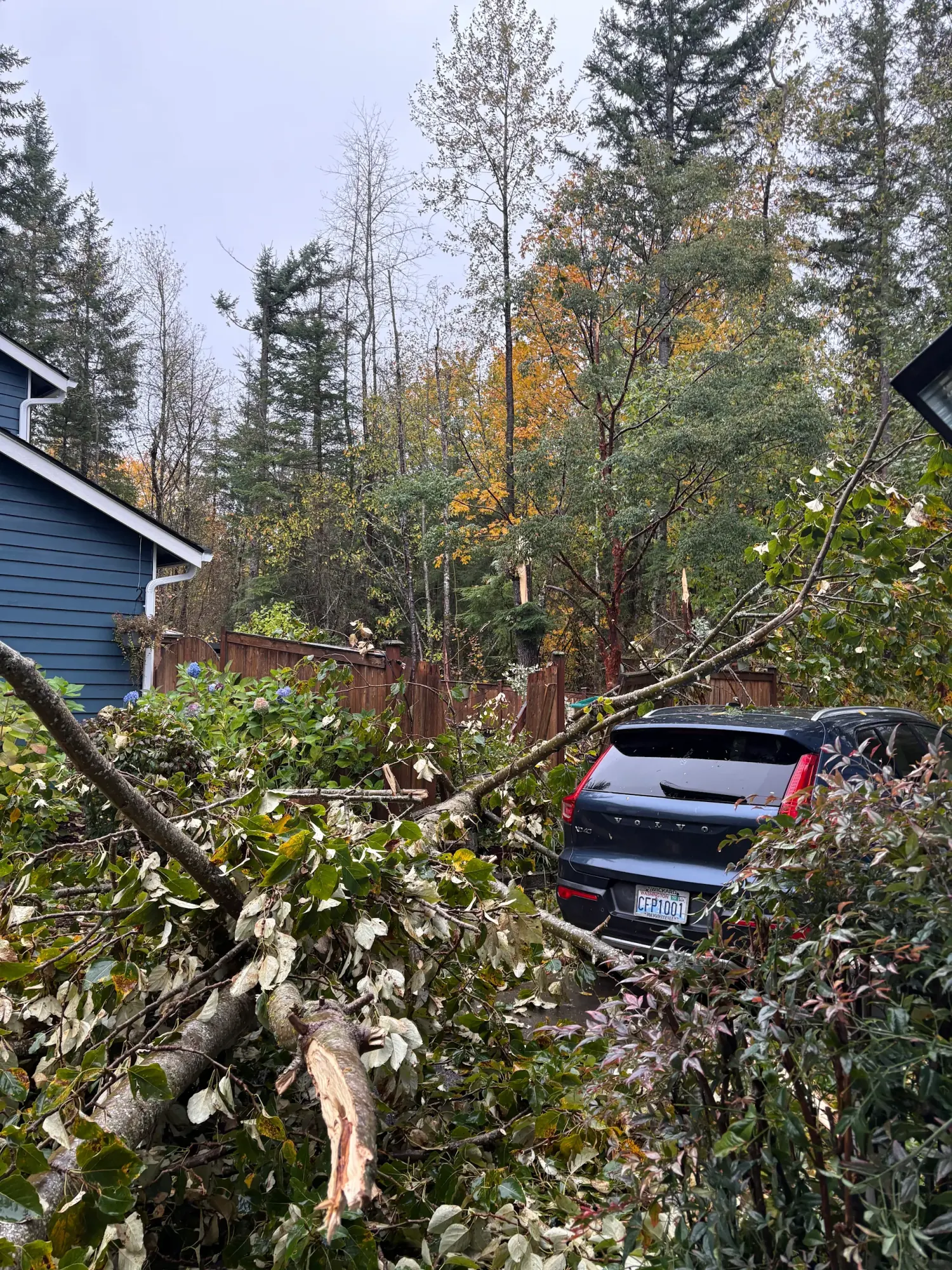
Tree on a Home
Trees and limbs fallen onto roofs, decks, and structures
Trees on homes. Blocked driveways. Storm damage and downed limbs. Our emergency crew answers calls 24 hours a day, 7 days a week across the Snoqualmie Valley and Greater Eastside.

Sarah L.
Duvall, WA"We had a big storm come through and a fir tree came down on our driveway. Called Haskins at 9 at night and they had someone out first thing in the morning. Honest pricing, great crew. Highly recommend."
This request goes straight to our phone, and we'll reach out as soon as possible.
Or call us directly at 1-425-677-5573
Active Emergency?
Call our 24-hour line — 1-425-677-5573
Rated 4.8 Stars on Google
Storms in the Pacific Northwest do not respect business hours. A fir on the driveway at midnight, a limb through the roof during a wind event, a leaning tree that suddenly is not leaning the right way anymore — these calls come in at every hour, and ours is the line that gets answered.
Brock and our crew are local — based in Carnation since 2013 — which means when you call, you are not waiting for a truck to drive in from three counties over. We are already here.
Fully licensed and insured. Documentation provided for insurance claims. Honest pricing, even at 2am.
From the dramatic to the urgent-but-undramatic, here is what comes across our 24-hour line.
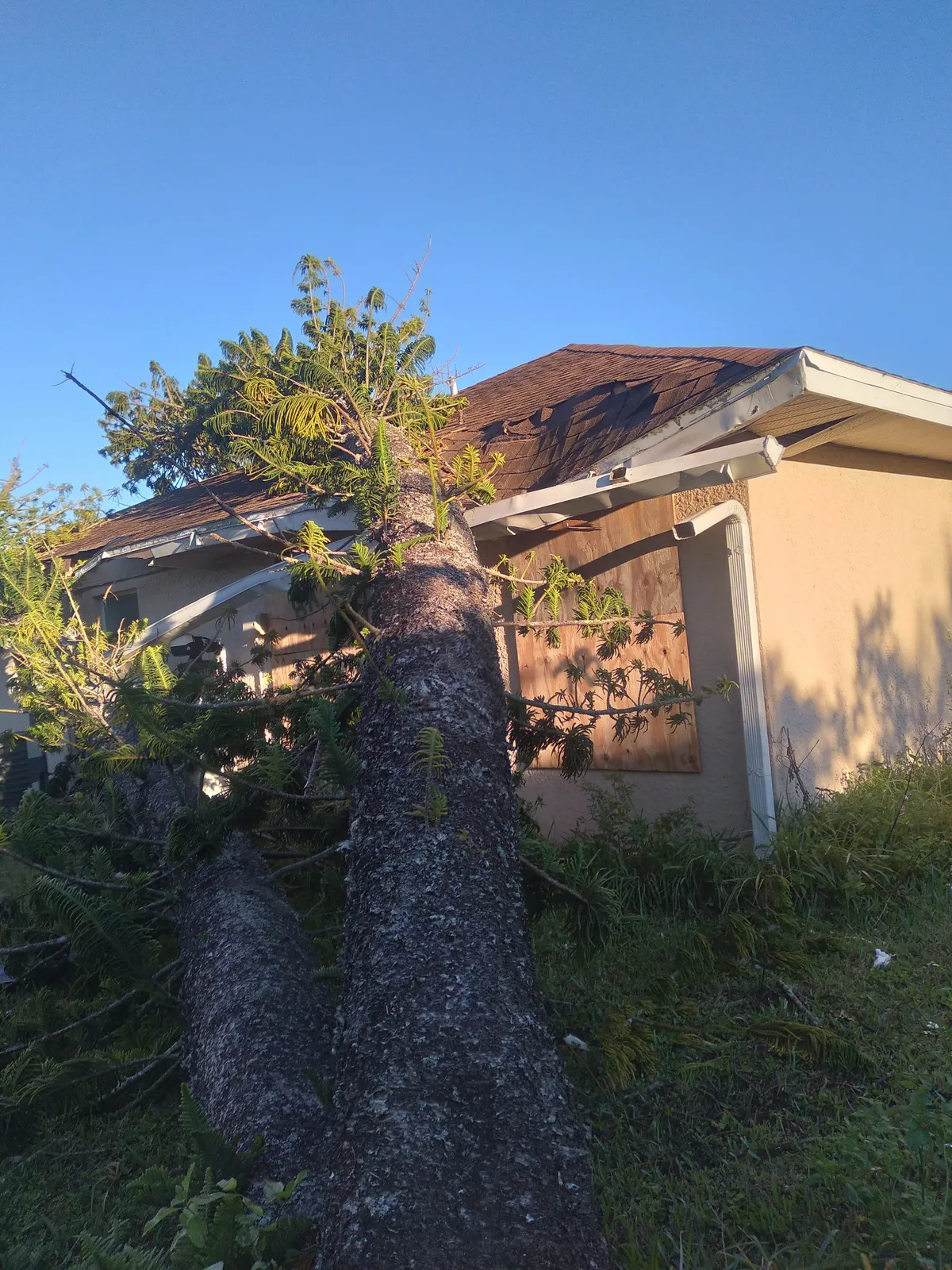
Trees and limbs fallen onto roofs, decks, and structures
Trees blocking access or down on vehicles
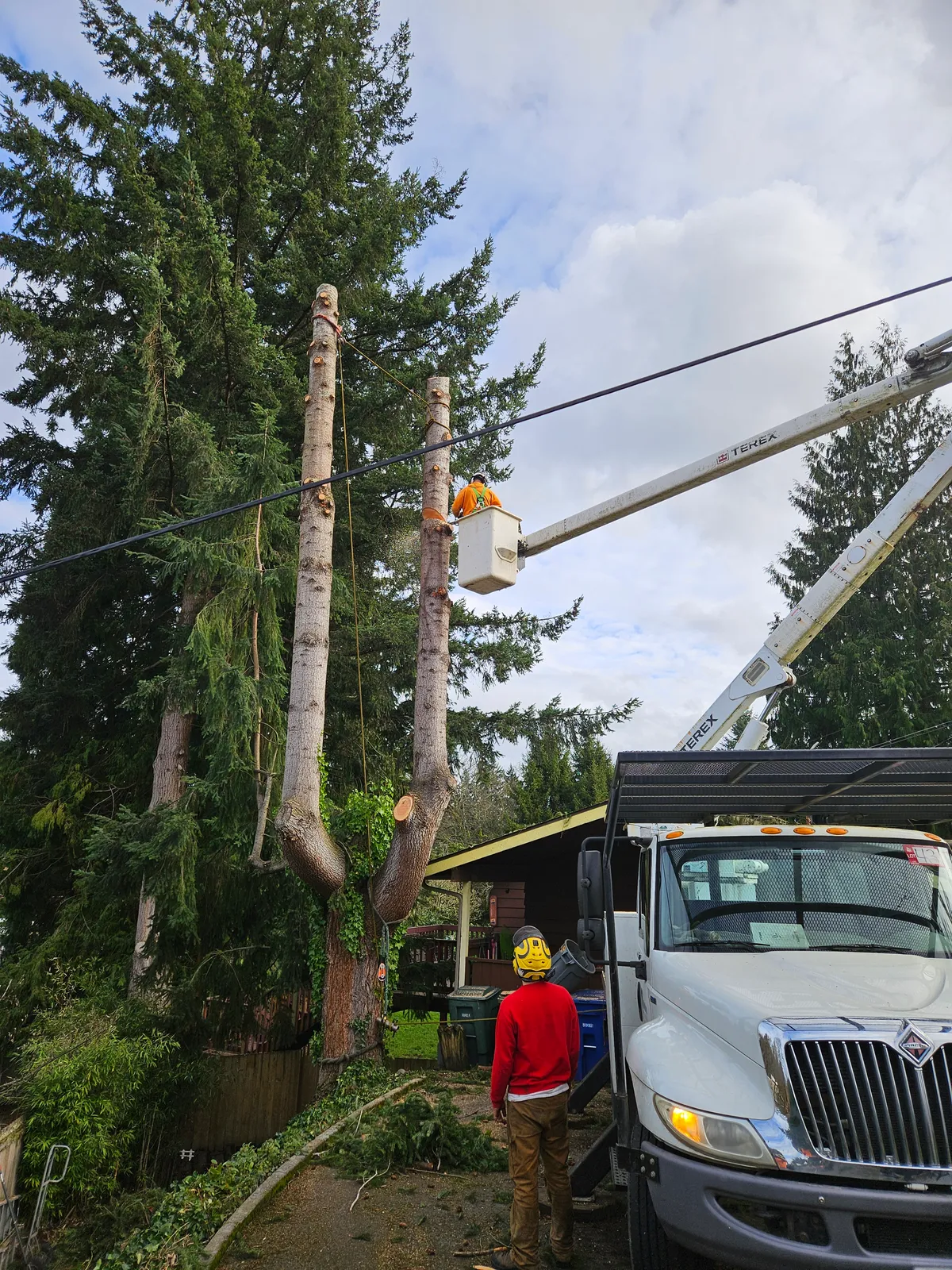
Trees on or near energized service lines
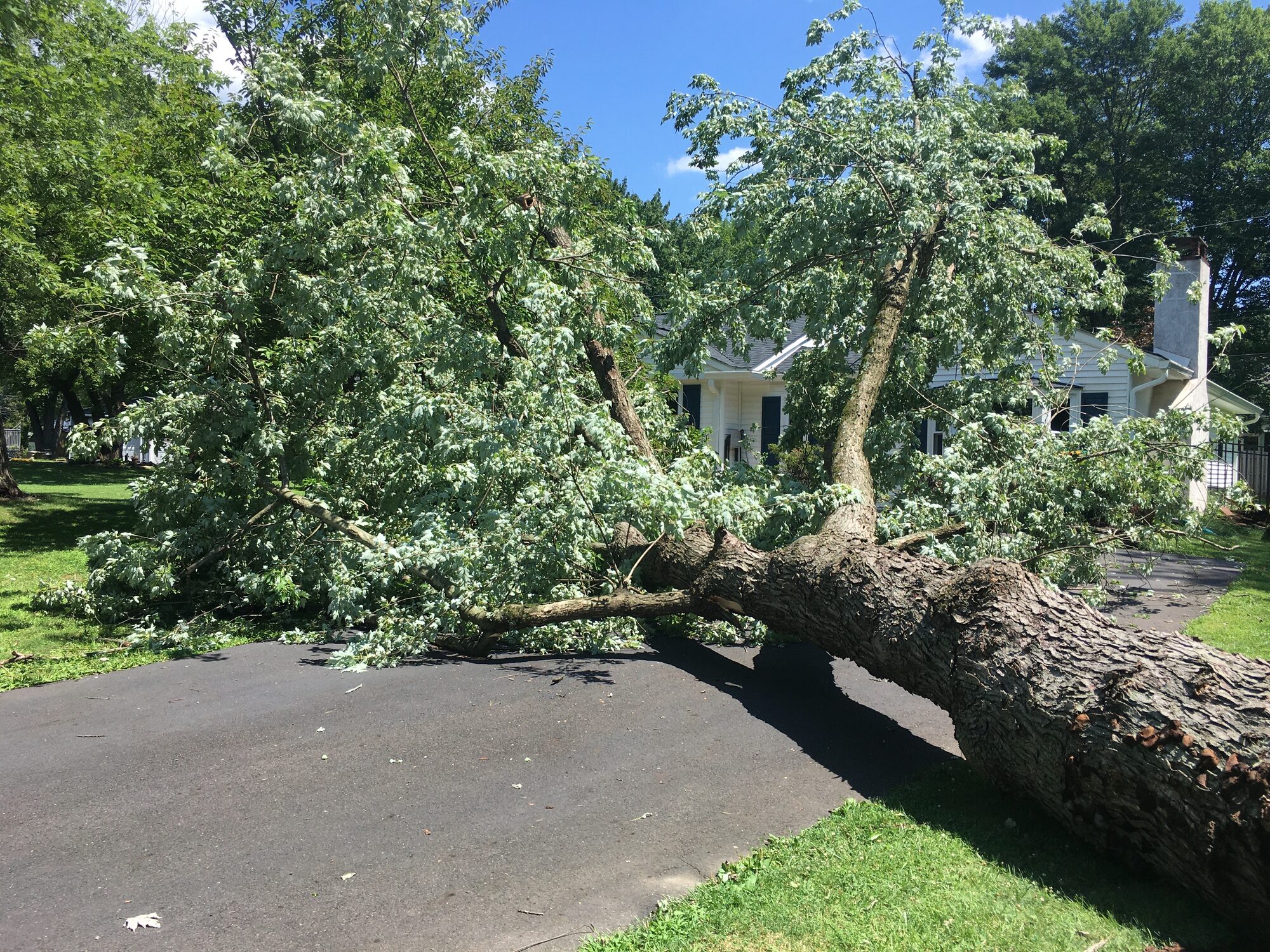
New lean, fresh cracks, or root failure after a storm
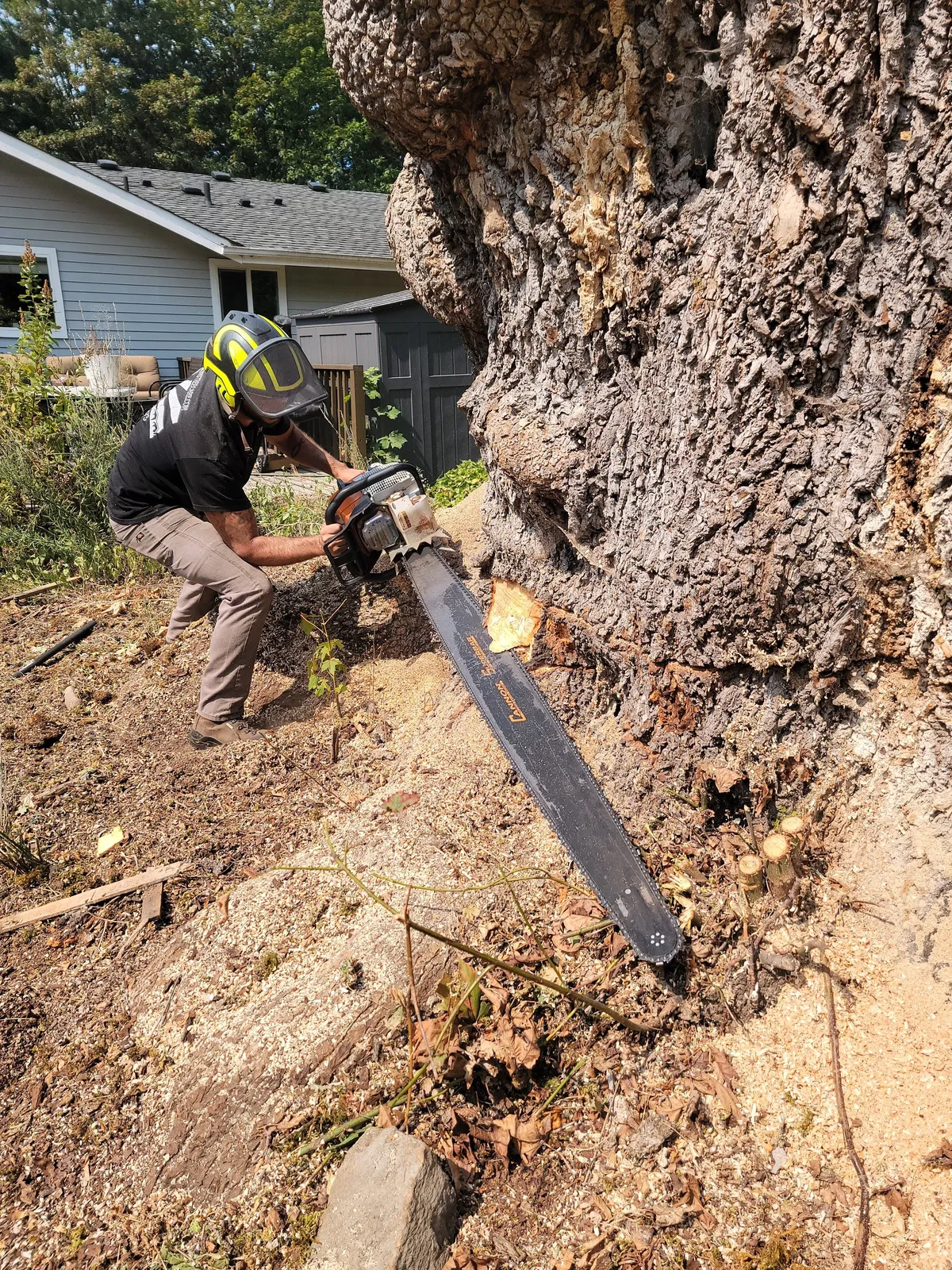
Broken branches lodged in the canopy after a storm
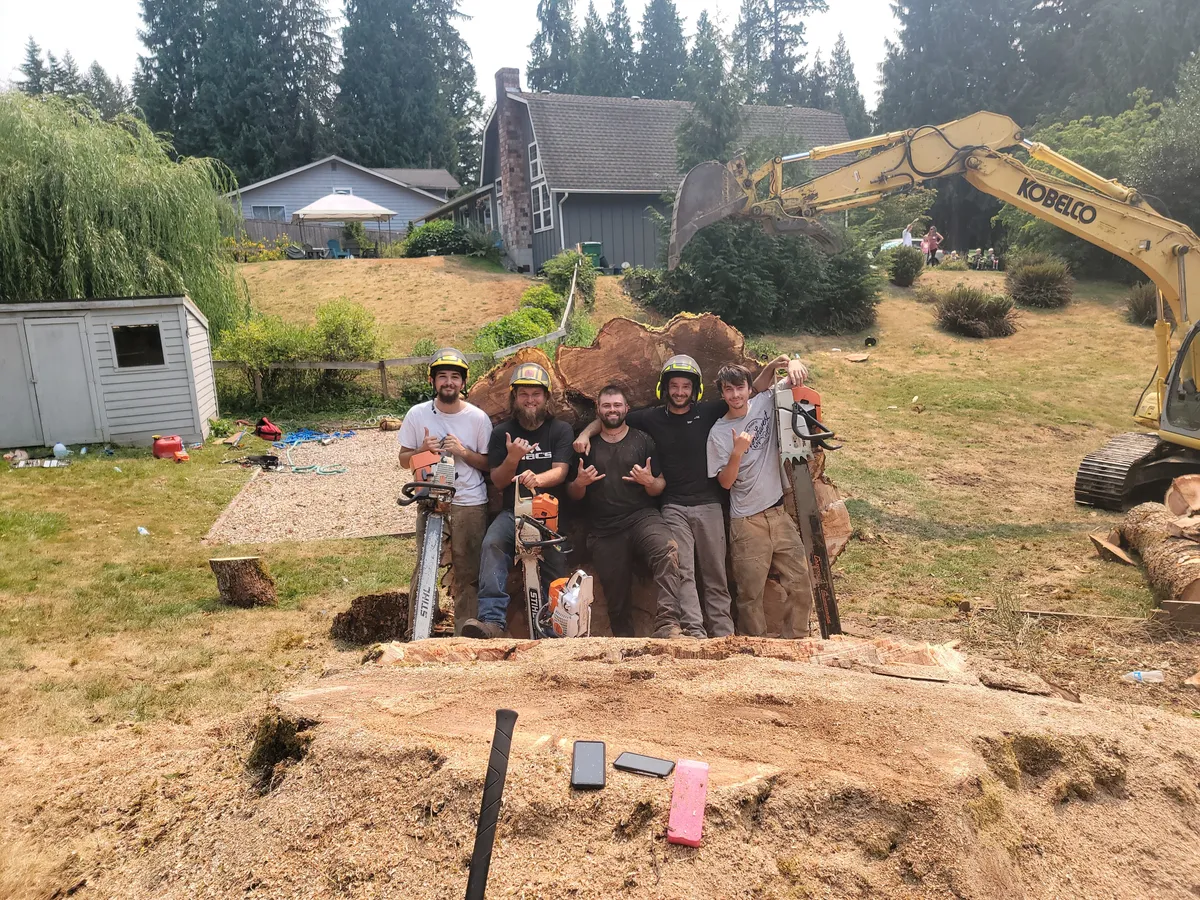
Trees blocking roads, driveways, and emergency access
The Snoqualmie Valley has its own weather patterns. Emergency tree calls follow them closely.
October – March
Wet, saturated soils and high winds are the worst combination for tree failure. Most of our emergency calls fall in this window.
Year-Round
The Puget Sound Convergence Zone can drop sudden, intense wind events almost any time of year. Trees that look healthy come down anyway.
Late Summer
Stressed, drought-weakened trees are more prone to limb drop and root failure. Limb drop in calm weather is a real summer phenomenon out here.
The valley floor floods most years between October and March. Repeated saturation stresses root systems — even drought-tolerant uplanders like Douglas fir suffer progressive root decline on lower-valley properties. By the time the next wind event arrives, the failure is already set up.
A look at recent storm and emergency calls across the valley.
Emergency takedown
Snoqualmie Valley
Tree on the home
Fall City, WA
Post-storm assessment
Redmond, WA
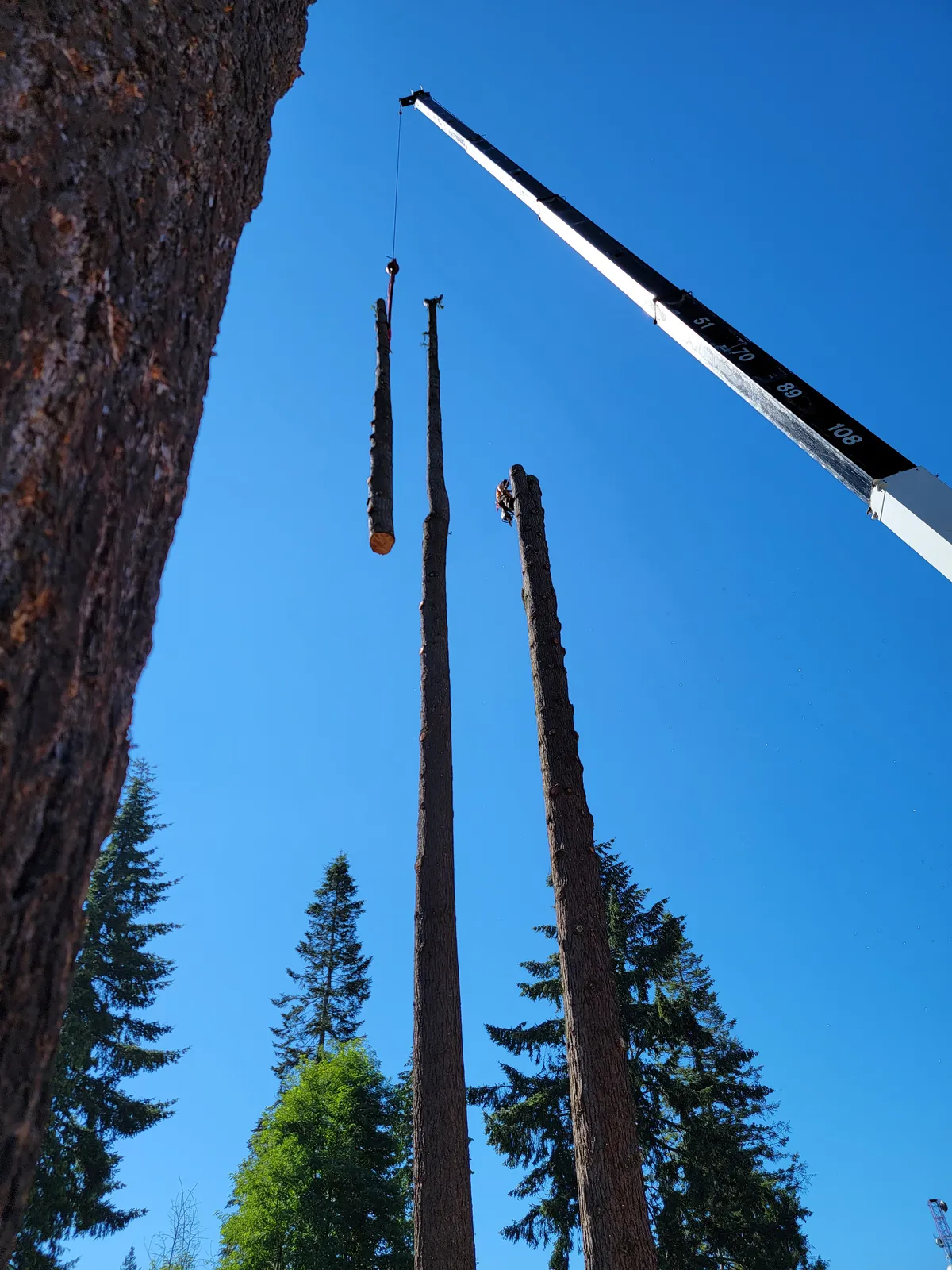
Crane-assisted emergency removal
Powerline hazard cleared
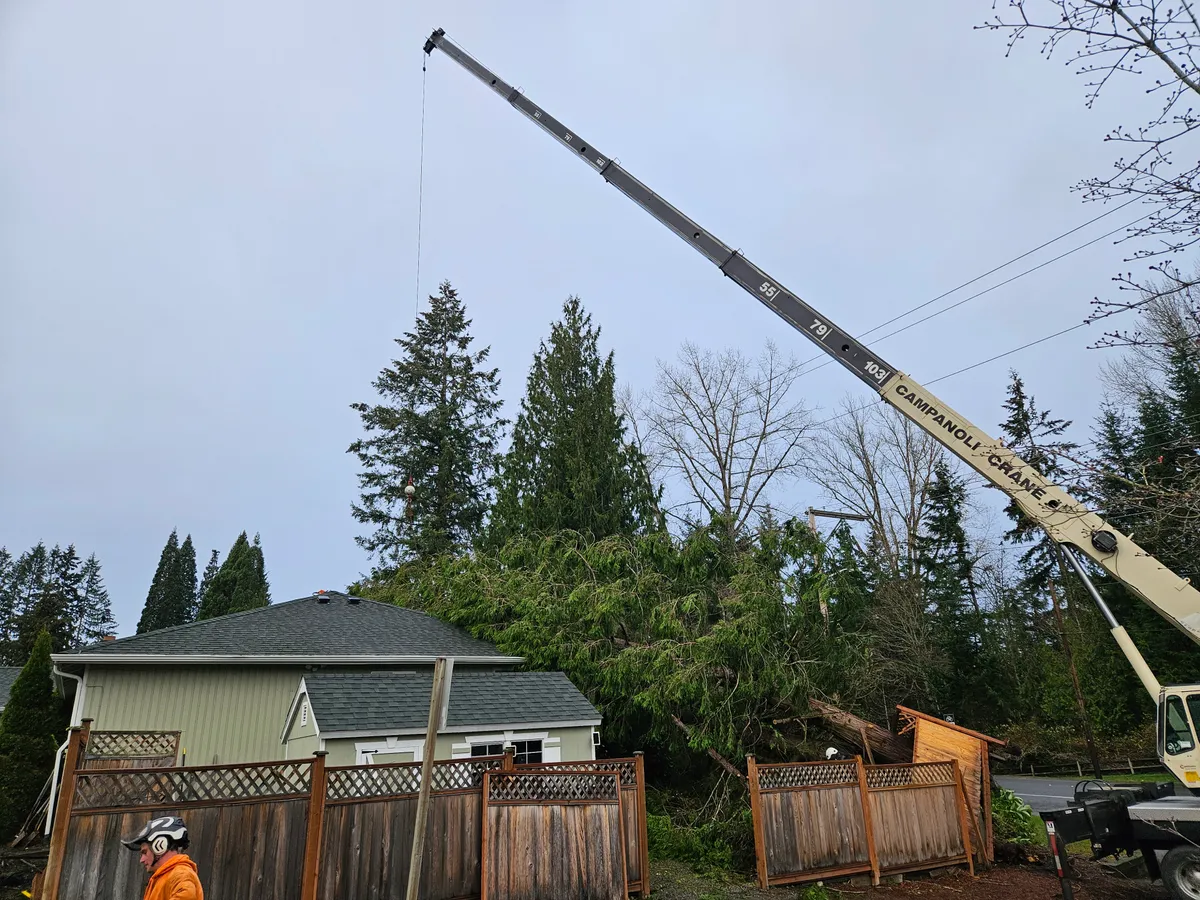
Crane staged on arrival
Storm cleanup, done
Duvall, WA
Lifted clear of the property
Storm damage cleared, properties restored, life back to normal.
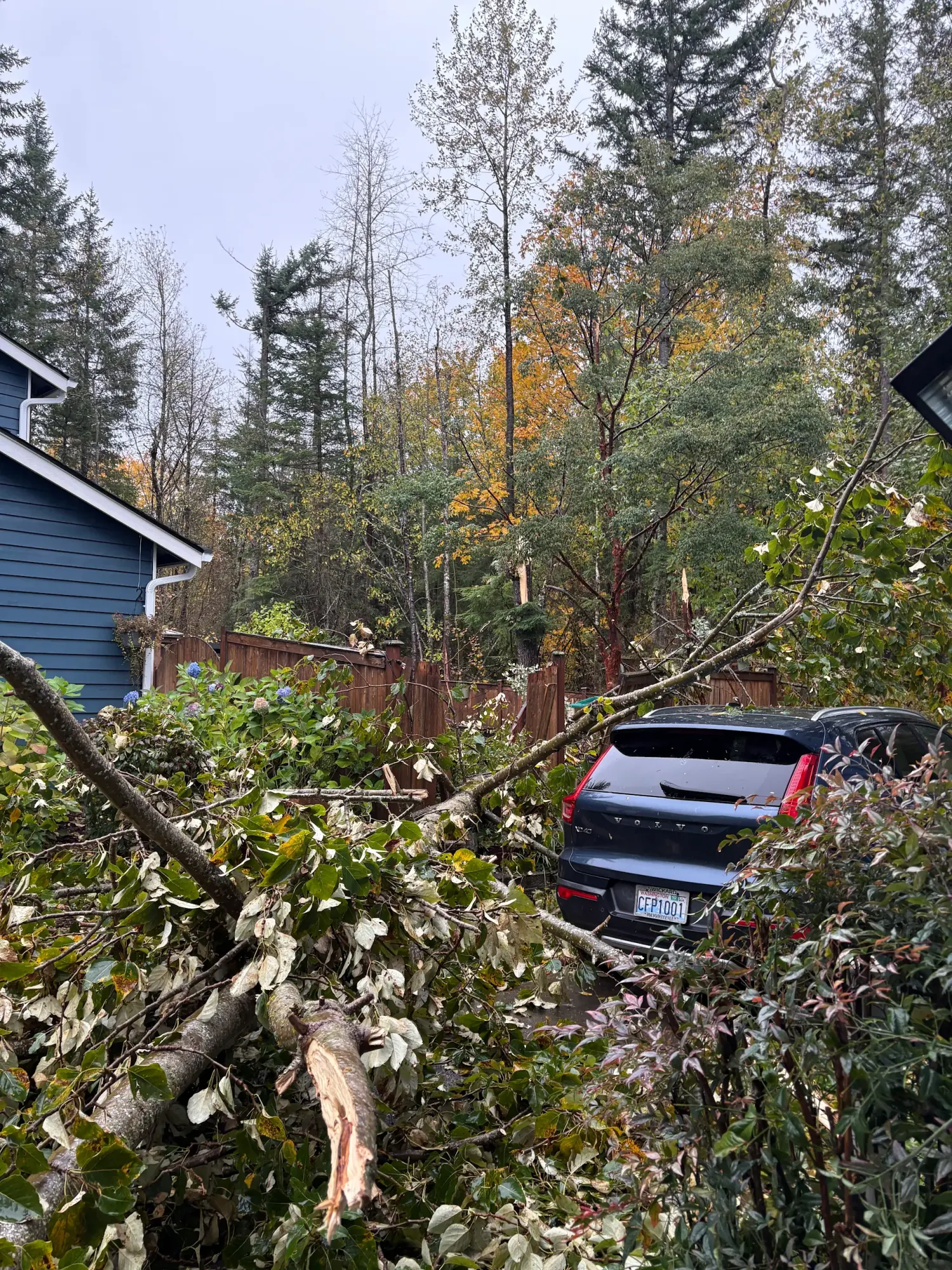 Before
 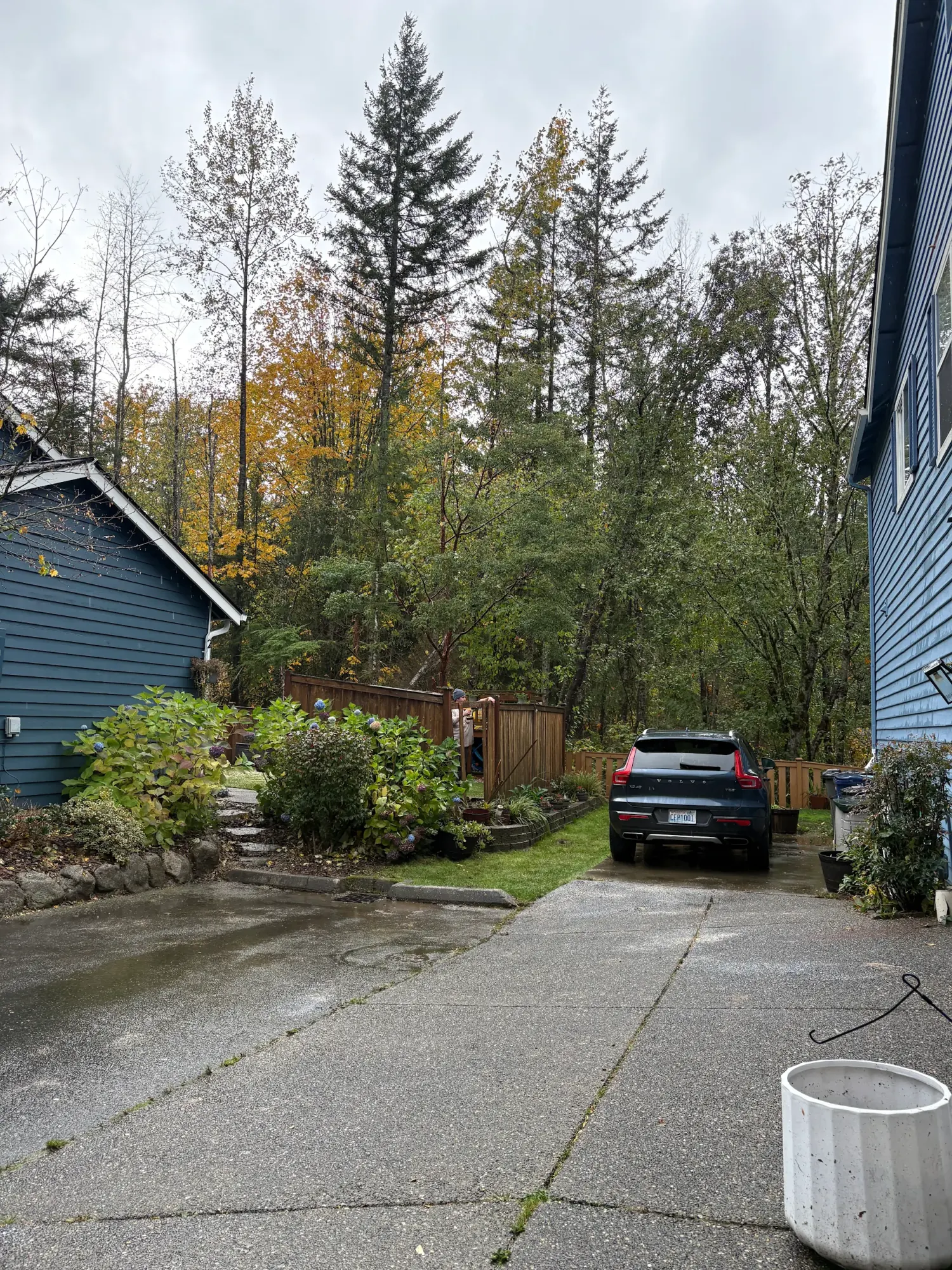 After
After Storm damage emergency response — Duvall, WA
From the moment you call to a clean yard, we move fast and we move safely.
For active emergencies — trees on structures, blocked driveways, downed limbs over power lines — call us directly, day or night.
We get someone out as fast as the situation requires. For life-safety calls, that means immediate. For others, often within hours.
First priority is making the site safe — removing the active hazard, clearing access, working with utilities if energized lines are involved.
Once the emergency is resolved, we handle the full removal, chipping, and cleanup. You deal with insurance — we deal with the tree.
The questions we get during and after a storm.
Our 24-hour emergency line is always answered. Honest pricing, fast response, full cleanup.